Volunteer Coral Conservation in the UK: How to Get Involved
From beach cleans and Seasearch dive surveys to aquarium volunteering and cold-water coral recording, here...

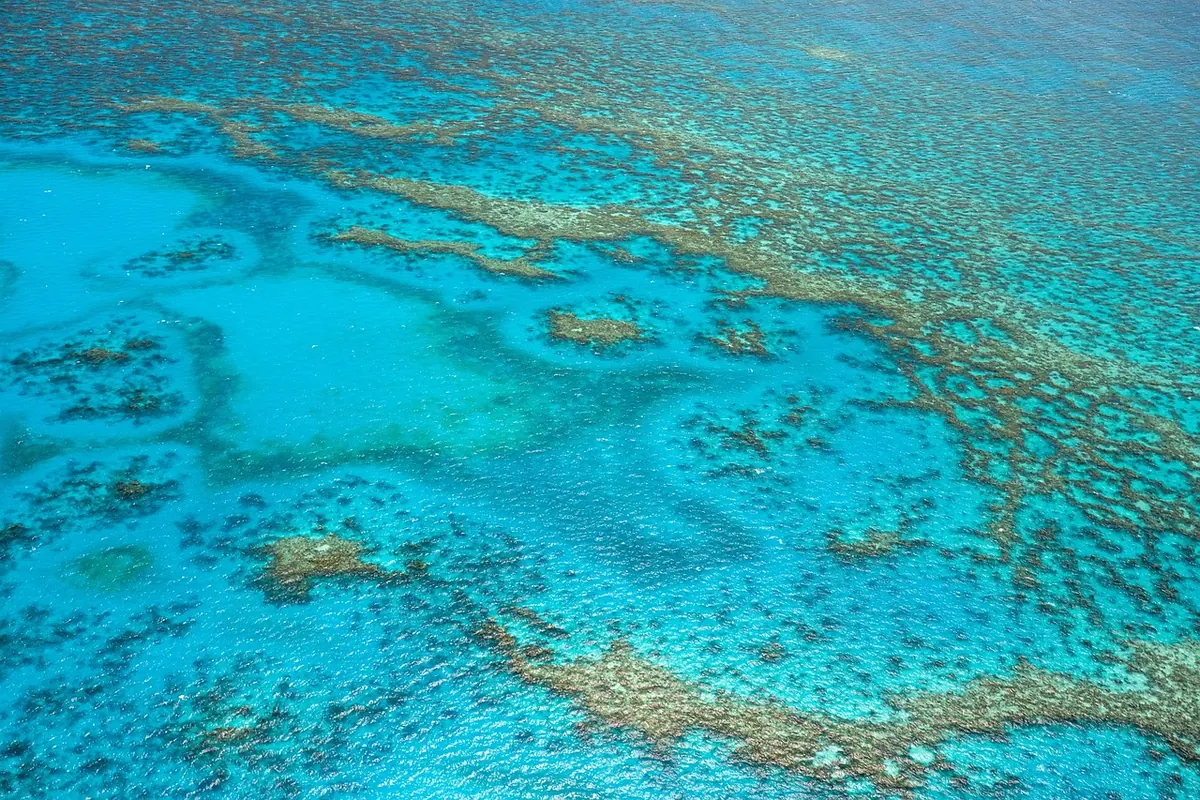
You slip into the water, put your face down, and the reef unfolds below you. In one place it is a maze of branching coral in waist-deep water; a few fin kicks later it is a wall of sponges fading into blue. Reefs are not uniform. They are a set of distinct zones, each shaped by how much light reaches the bottom, how hard the waves hit, how deep it is and how much sand settles out of the water. Once you can recognise those zones, you know where you are, what you are likely to see, and how to move across the reef without breaking it.
Four things do most of the work. Light, because reef-building corals farm microscopic algae called zooxanthellae inside their tissues and those algae need sunlight. Wave energy, because it sorts corals by shape: branching species cope with surge, while flat plates and boulders do better in calm water. Depth, which controls light and therefore which corals can survive. And sediment, which smothers delicate colonies, so sandy, sheltered corners end up with a different community altogether.
The result is a predictable banding, running from sheltered inshore water out to the open ocean. It is a gradient rather than a line, and every reef has its own quirks of geography and current. Treat the zones below as a rough map, not a rulebook.
Behind the main reef line sits the lagoon, the calm water between the shore and the breakers. It is usually shallow, often sandy, and dotted with patch reefs — isolated coral heads and bommies rising from the sand. Because it is protected, this is where you find sediment-tolerant corals, soft corals and sea fans, along with seagrass beds and rubble fields.
Lagoons are nurseries. Juvenile fish of many species spend their early months here, safe from the bigger predators out on the reef front. On a good day you might see stingrays resting in the sand, a hawksbill turtle grazing on sponges, a seahorse wrapped around a blade of seagrass, or a small squid hovering over the rubble.
Move seaward and the bottom rises. The reef flat is a shallow shelf, often less than two metres deep and sometimes exposed at low tide. It is a hard place to live: strong sunlight, fluctuating temperature and salinity, and wave surge at high water. Corals here tend to be encrusting, small and stubborn — thin sheets of coral, low mounds, and plenty of coralline algae cementing the reef together.
Life is smaller and more cryptic than on the reef front. Look under ledges for blennies and gobies, watch damselfish defending their little algae gardens, and check the rubble for tiny urchins and shrimp. Keep your body high in the water and your fins up. This zone is shallow enough that a careless kick does real damage.
The crest is the reef's front line, the ridge where waves break and most of the ocean's energy is absorbed. Only the toughest organisms hold on here. On many Caribbean reefs that means elkhorn coral, thickets of branching colonies built for surge. Elsewhere you will find fire coral, zoanthids, encrusting species and coralline algae binding the framework together.
Snorkelling over a reef crest in calm conditions can be superb, with big fish cruising the surge channels and the reef dropping away beneath you. It can also be dangerous in any swell. Drift snorkelling along a crest should only be done with local knowledge, a buddy and an exit that someone on shore knows about.
Past the crest, the reef slopes into deeper, clearer water. This is the fore reef, typically from around five metres down to thirty, and on many reefs it holds the greatest coral diversity. With more stable conditions, you get the full range of growth forms: table corals, staghorn thickets, brain corals, star corals and scroll-like plates stacked down the slope.
Sea fans and gorgonians tend to stand across the current, filtering plankton from water moving past. Sponges of every colour occupy crevices. Look for cleaner stations where small wrasse and shrimp pick parasites from larger fish, and for the animals that hang just off the slope: anthias in loose clouds, snappers, turtles and the occasional reef shark patrolling the edge.
On wave-exposed reefs you often see a corrugated pattern: coral ridges, called spurs, separated by sandy channels, called grooves. Water is pushed over the spurs by the waves and drains back out through the grooves. It makes a useful compass. Follow a groove seaward to reach the slope, and follow it back to find the crest again.
Below roughly thirty metres, light fades and the reef community changes again. Zooxanthellate corals become scarcer; sponges, gorgonians, black corals and whip corals take over, along with plate corals that spread outward to catch what light remains. Walls drop into blue water, and larger animals — groupers, jacks, tuna, the occasional manta — appear from the open ocean rather than from the reef.
This zone sits at or beyond the limits of recreational diving, so treat depth and air supply as your priority and keep the no-touch rule strict. There is no coral down there that can recover quickly from a fin or a camera.
Before you get in, check the tide and the swell. An incoming tide usually brings clearer water and more activity, while a falling tide can stir up the lagoon. If the swell is up, stay in the lagoon and keep away from the crest. If it is flat calm, the fore reef is where the colour is.
Then think about how you move. Enter in the lagoon, drift across the reef flat, and only cross the crest when conditions genuinely allow it. Look back regularly so you recognise your exit. Keep a metre of clearance above the coral, and never rest a hand or a knee on the reef, however tempting the photo.
Finally, write down what you saw and roughly where. After a few swims you will start to notice that a particular patch of reef flat always holds juvenile fish, or that the same gorgonian marks the top of your favourite groove. That is the point at which you stop swimming over a reef and start reading one.
Photo: xiSerge / Pixabay
From beach cleans and Seasearch dive surveys to aquarium volunteering and cold-water coral recording, here...
Rising carbon dioxide is making seawater less alkaline, which slows the growth of coral skeletons. Here's...
A practical beginner's guide to building a home reef tank that thrives while keeping pressure off wild reefs.