Volunteer Coral Conservation in the UK: How to Get Involved
From beach cleans and Seasearch dive surveys to aquarium volunteering and cold-water coral recording, here...

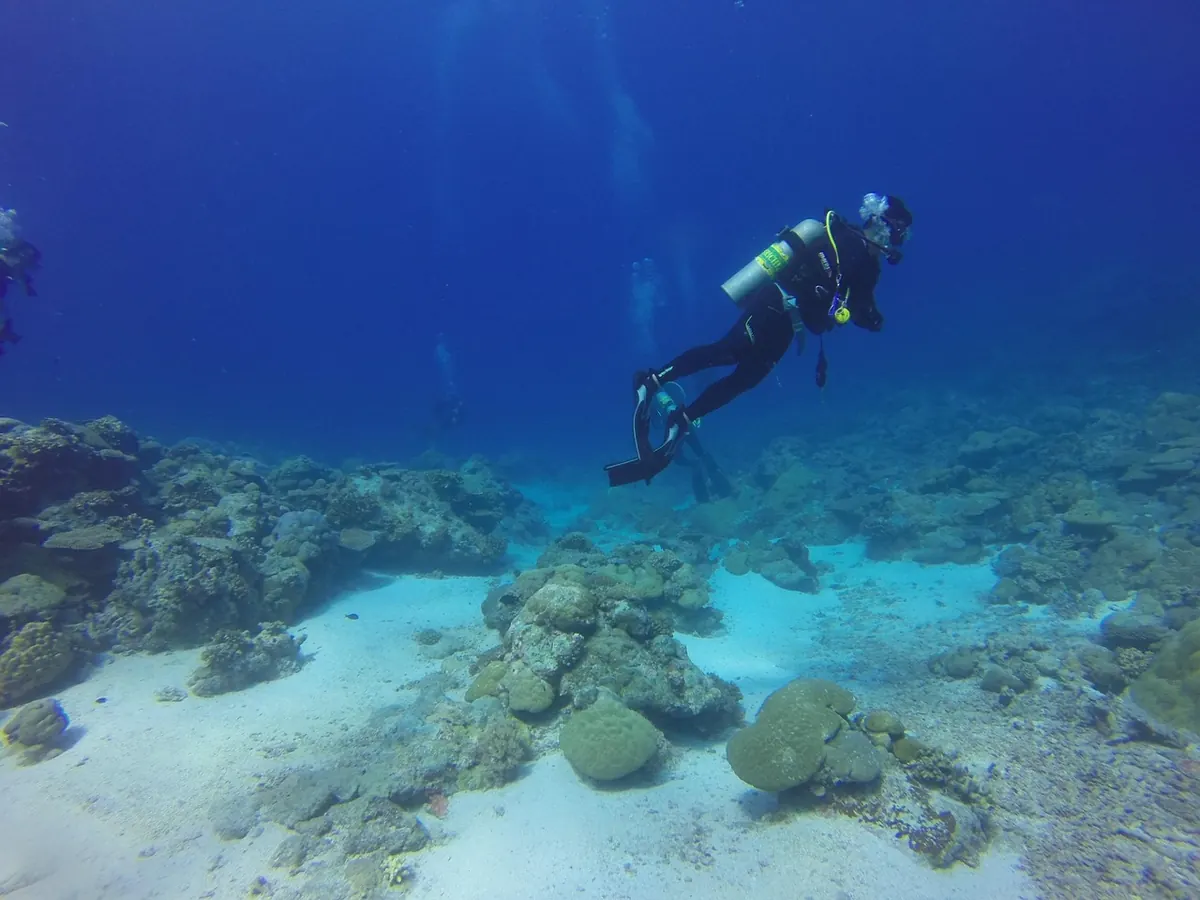
You have picked the reef. You know the island, the season, roughly the budget. What remains is the decision that shapes the day more than any of it: who takes you out there.
A good operator puts you on a mooring instead of an anchor, keeps the group small, and briefs you in a way that actually changes how you dive. A poor one does none of that, and the reef pays for it. These ten questions will help you tell the difference before you hand over a deposit.
Reef damage from diving is rarely dramatic. It is a fin brushing brain coral, a knee settling on a shallow colony, a camera nudged two inches too close to a sea fan. Almost all of it is unintentional, and most of it happens in the first fifteen minutes, while buoyancy is still being worked out. A guide who notices that early and signals you to adjust prevents more harm than any poster taped to a boat cabin wall.
The right operator also does something less visible. They keep money and employment with the people who live alongside the reef — local divemasters, patrol staff, monitoring teams, whichever shape the area's conservation effort takes. Booking with them is a quiet vote for the kind of tourism that keeps a reef worth travelling for.
1. Do you moor or anchor? Anchors and chain drag across living coral. Many reefs have fixed mooring buoys, and drift diving avoids anchoring altogether. If an operator says they simply "find a sandy patch", ask how they know it is sand and not a thin layer of sediment over rock.
2. How many divers per guide? Group size matters more than your certification level. Ask for the maximum, not the average. On a wall or in current, one guide cannot watch eight people's trim at once. Four to six is comfortable in most conditions, and fewer is better on a drift or a deeper site.
3. Who leads the dive? A local guide knows where the current runs, which coral heads are fragile, and where the turtles tend to rest. That knowledge protects the reef and improves the dive. Ask whether the divemaster has worked this site for years or is on their second season.
4. What does your reef briefing cover? Listen for specifics. Strong briefings talk about buoyancy first, not last. They set a no-touch rule that includes gloves, knees and fins, explain why gear should be clipped so a console or torch does not swing into coral, and rule out feeding or chasing. Ask whether snorkellers get a separate briefing — shallow reef flats take the worst of careless fins.
5. What is your policy on cameras? Photography is welcome, but ask how it is managed. Some operators brief photographers on keeping a metre of distance and offer a buoyancy check before a housed rig goes in the water. Anyone who shrugs at the question has probably watched a lot of coral get bumped.
6. What do you ask us to put on our skin? Some destinations restrict particular sunscreen ingredients; others recommend mineral-based products such as those made with zinc oxide or titanium dioxide. Either way, a good operator tells you before you board, not after. Rash vests and long sleeves reduce how much you need in the first place.
7. Who owns the operation, and who works on the boat? Locally owned and locally staffed operations tend to keep wages in the community and to hold a longer-term interest in the reef's condition. This is not a question about passports; it is a question about where the money lands.
8. Do you contribute to conservation here? There may be a marine park fee, a voluntary reef levy, or a partnership with a local monitoring group. Ask how it works and where it goes. If there is no mechanism at all, that is worth knowing — though plenty of small operators are careful with limited resources.
9. What are the rules in the marine protected area? No-take zones, mooring-only areas and seasonal closures exist for good reasons. An operator who knows them without consulting a laminated sheet is a good sign. One who treats a boundary as a suggestion is not.
10. What do you do if you see damage or disease? Bleaching, crown-of-thorns starfish, anchor scars and lost fishing line all get reported somewhere in well-run operations. Ask whether they report what they see, and to whom.
Send your questions by email and keep the replies. It takes five minutes, it gives you something to compare between operators, and it signals that you will notice how the day is run. A short message is enough:
Hello — I am looking to dive on [dates]. Could you tell me how many divers you take per guide, whether you moor or drift, and what your reef briefing covers? Also, do you work with any local conservation group?
While you are at it, confirm that your certification and recent dive history suit the sites on offer, and check that your insurance covers diving. If you have a heart, lung or ear condition, take certain medications, or are returning to diving after a long break, speak to a diving medical professional before you book — operators will ask you to complete a medical declaration, and it is better to sort that out early than on the quayside.
On the day, the habits that matter most are unglamorous. Do a proper weight check, spend your first minutes practising buoyancy over sand rather than coral, and stay a fin's length above the reef even when something interesting is tucked underneath. Keep your hands still and your gear close. Then, if the operator did well, tell them why you chose them — the feedback rewards the behaviour you want to see more of. The reef benefits most from divers who ask.
Photo: arhnue / Pixabay
From beach cleans and Seasearch dive surveys to aquarium volunteering and cold-water coral recording, here...
Rising carbon dioxide is making seawater less alkaline, which slows the growth of coral skeletons. Here's...
A practical beginner's guide to building a home reef tank that thrives while keeping pressure off wild reefs.